
Shopping Cart
There are no more items in your cart
What Is Lent?
Lent is a sacred liturgical season observed by many Christian traditions, particularly within the Catholic Church. It begins on Ash Wednesday and lasts for forty days, not including Sundays, leading up to the celebration of Easter.
The number forty carries deep biblical significance. It recalls several important moments of spiritual preparation in Scripture:
- The forty days Jesus spent fasting in the desert
- The forty years the Israelites journeyed through the wilderness
- The forty days of the great flood described in the Book of Genesis
Because of these biblical parallels, the Church adopted forty days as a symbolic period of spiritual preparation and renewal.
During Lent, believers are traditionally invited to embrace three essential practices:
- Prayer, to deepen one's relationship with God
- Fasting, as a form of spiritual discipline
- Almsgiving, to express charity and compassion toward others
Together, these practices help believers focus on inner transformation and spiritual growth.
The Historical Origins of Lent
Early Christian Practices
The origins of Lent date back to the earliest centuries of Christianity. In the early Church, new converts preparing for baptism at Easter would spend several weeks in prayer and fasting as a form of spiritual preparation.
By the fourth century, this preparatory period gradually developed into a structured season observed by the wider Christian community. Church leaders recognized the value of dedicating time each year to reflection, repentance, and spiritual renewal.
The Development of the Forty-Day Season
The formal structure of the forty-day Lenten season became more clearly defined after the Council of Nicaea in 325 AD, when the Church began standardizing many aspects of the liturgical calendar.
Over time, the practices associated with Lent evolved. While early fasting rules were very strict, the focus remained the same: encouraging believers to prepare their hearts for the celebration of Christ's Resurrection.
Today, Lent continues to be a deeply meaningful time within the Church, inviting Christians to step away from distractions and return to the essentials of spiritual life.
Why Is Purple the Color of Lent?
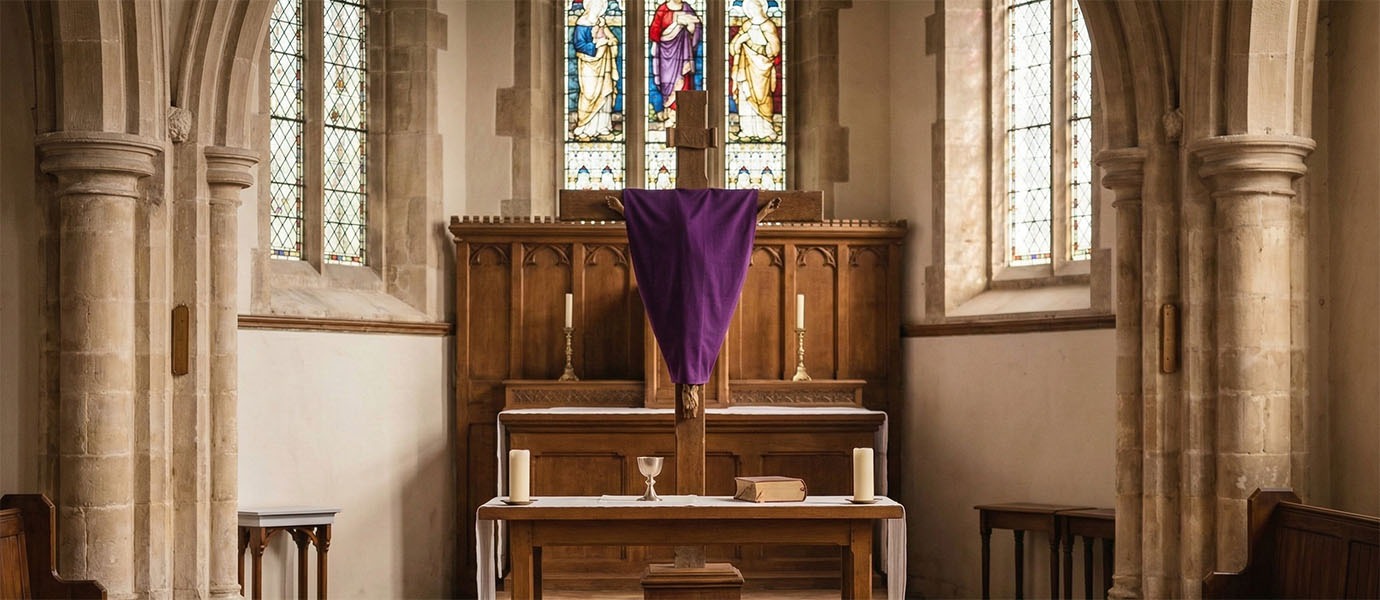
One of the most recognizable aspects of Lent is the use of purple in liturgical vestments, church decorations, and devotional items.
In Christian tradition, purple carries several symbolic meanings that align perfectly with the spirit of the Lenten season.
A Color of Penance and Reflection
Purple has long been associated with penance, humility, and spiritual preparation. During Lent, the color serves as a visual reminder that this is a time for reflection, repentance, and personal conversion.
The subdued tone of purple encourages a quieter, more contemplative atmosphere in churches and in personal prayer.
A Symbol of Royalty and the Kingship of Christ
Historically, purple was also a color associated with royalty and dignity. In ancient times, purple dyes were rare and expensive, often reserved for kings and emperors.
Within the Christian context, this symbolism points to Christ as King. During Lent, believers reflect not only on Christ’s sacrifice but also on the profound mystery of His kingship.
This dual meaning of humility and royal dignity beautifully reflects the journey of Lent itself: a path that begins with repentance and ultimately leads to the glory of Easter.
A Season of Renewal and Hope
While Lent is often associated with sacrifice and discipline, its deeper purpose is renewal. The practices of prayer, fasting, and charity are not meant to burden believers, but to help them rediscover what truly matters.
By setting aside time for reflection and spiritual focus, Lent prepares the heart to fully experience the joy and hope of Easter.
This sacred season remains one of the most meaningful moments of the Christian year, inviting believers to walk a path of transformation that leads from reflection to renewal, and from sacrifice to resurrection.
Devotional Items for the Lenten Season
Lent is also a meaningful time to deepen one’s prayer life through simple devotional practices. Many believers choose to accompany this season with a rosary, crucifix, or sacred medal, tangible reminders of reflection and devotion that can help create moments of quiet prayer throughout the day.
If you wish to enrich your spiritual journey during Lent, you may explore the collection of rosaries, crucifixes, and religious items crafted in Italy available at Vatican Gift. Thoughtfully designed devotional pieces can become lasting companions in prayer, helping to bring focus and reverence to this sacred season of preparation and renewal.