Shopping Cart
There are no more items in your cart
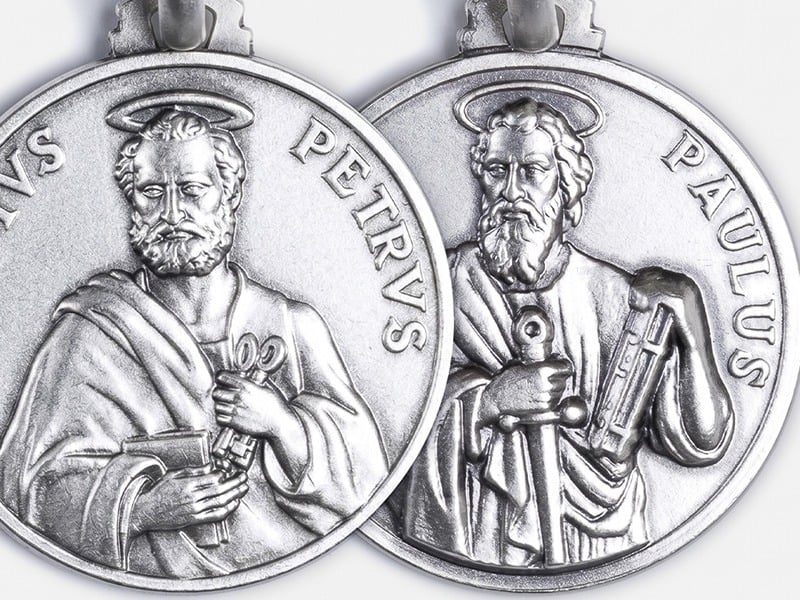
Feast of Saints Peter and Paul: Meaning, Importance, and Rome’s Special Celebration
Every year on June 29, Catholics around the world celebrate the Solemnity of Saints Peter and Paul, one of the most significant feast days in the Church’s liturgical calendar. This special celebration honors two of Christianity’s greatest apostles, whose lives, witness, and martyrdom helped shape the early Church. The feast holds a particularly deep significance for Rome, the city where both saints carried out their ministry and ultimately gave their lives for the Gospel. Their enduring legacy continues to make Rome a spiritual center for millions of Catholics from every corner of the world.
Read more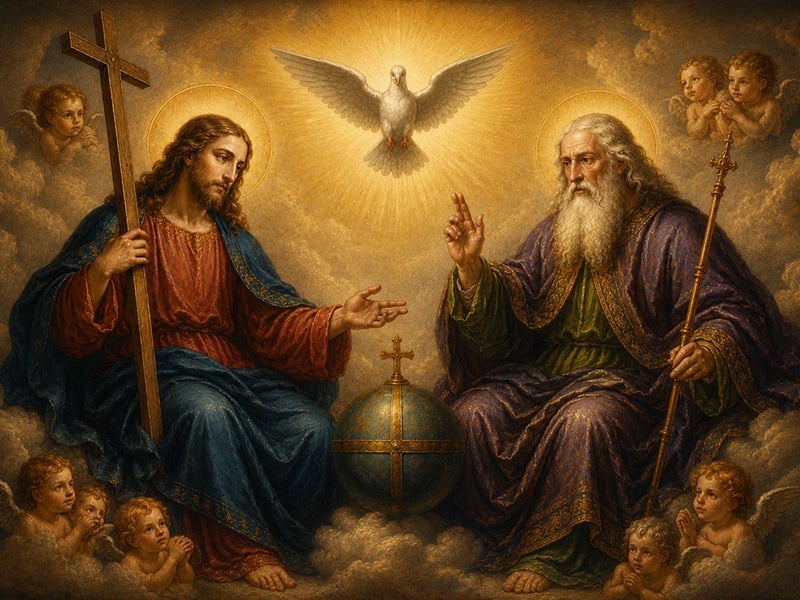
The Solemnity of the Holy Trinity: Meaning and Importance in the Catholic Church
The Solemnity of the Holy Trinity is one of the most profound celebrations in the Catholic Church. Observed on the first Sunday after Pentecost, this feast honors the mystery of one God in three Divine Persons: the Father, the Son, and the Holy Spirit. Rather than commemorating a specific historical event, Trinity Sunday invites Catholics to reflect on the very nature of God and the central mystery of the Christian faith. It is a celebration of divine love, unity, and communion, reminding believers that the Holy Trinity is at the heart of Catholic life, prayer, and worship.
Read more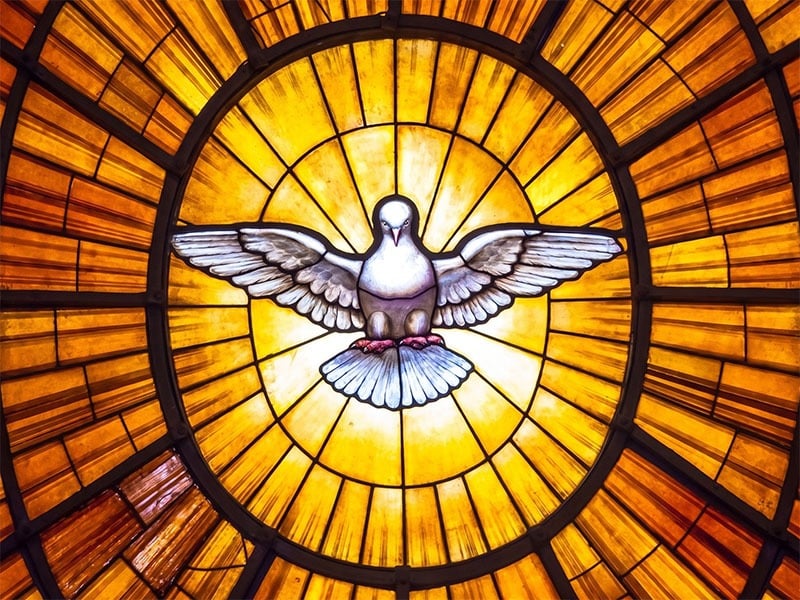
What Is Pentecost? Meaning, Traditions, and Why It Matters in the Catholic Church
Pentecost is one of the most important celebrations in the Christian liturgical calendar. Often called the “birthday of the Church,” it commemorates the descent of the Holy Spirit upon the Apostles and marks the beginning of their public mission to spread the Gospel throughout the world. Deeply connected to Easter, Pentecost is a celebration of spiritual renewal, courage, unity, and divine presence. For Catholics around the world, it is a moment to reflect on the gifts of the Holy Spirit and the living presence of God within the Church.
Read more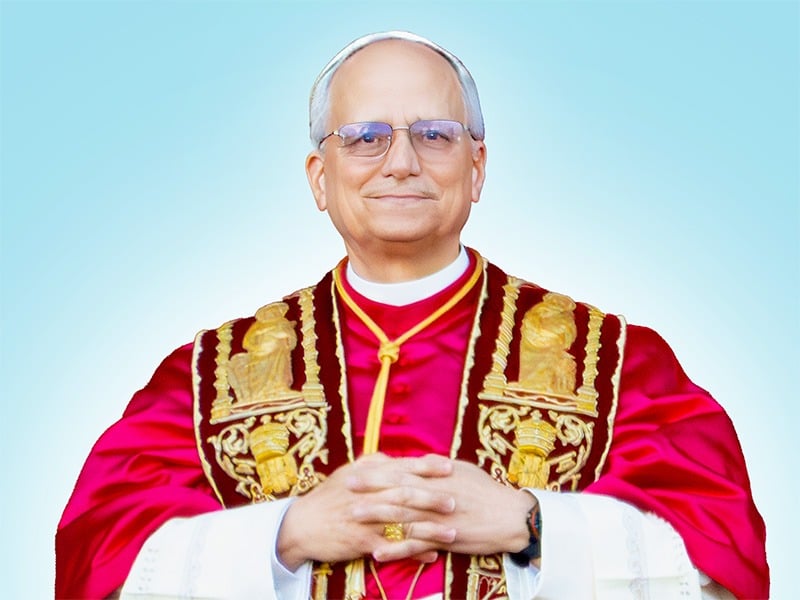
The First Year of Pope Leo XIV: A Pontificate of Renewal and Presence
On May 8, 2026, the Church marks a meaningful milestone: the first anniversary of the pontificate of Pope Leo XIV. His first year has been observed with deep attention by the faithful around the world, characterized by a steady presence, a call to interior renewal, and a visible continuity with the spiritual traditions of the Church. In just twelve months, Pope Leo XIV has offered a clear and recognizable direction, rooted in humility, clarity of message, and a strong pastoral sensitivity.
Read more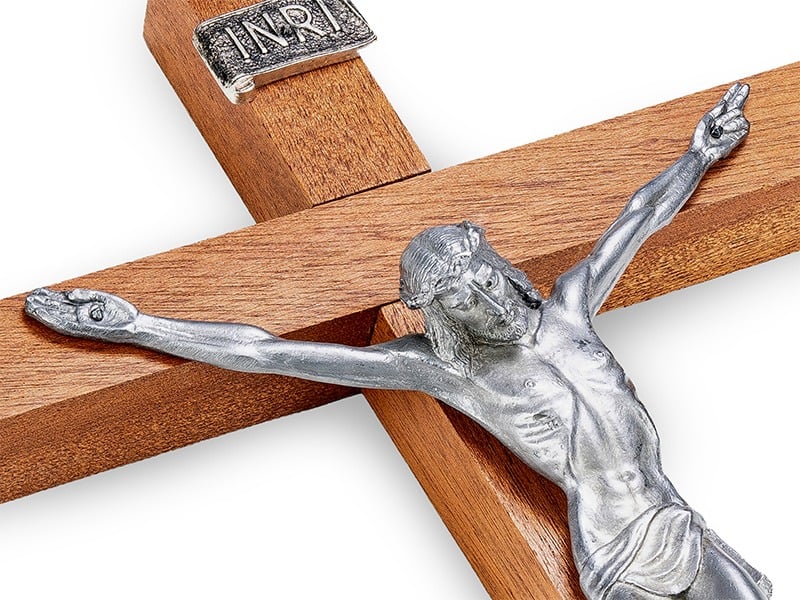
Holy Week: Meaning, Traditions, and How to Live This Sacred Time
Holy Week is the most sacred time in the Christian calendar, leading believers into the heart of the Passion, Death, and Resurrection of Christ. It is a week of deep reflection, prayer, and spiritual renewal, inviting us to walk closely with Jesus through the final moments of His earthly life and prepare our hearts for the joy of Easter.
Read more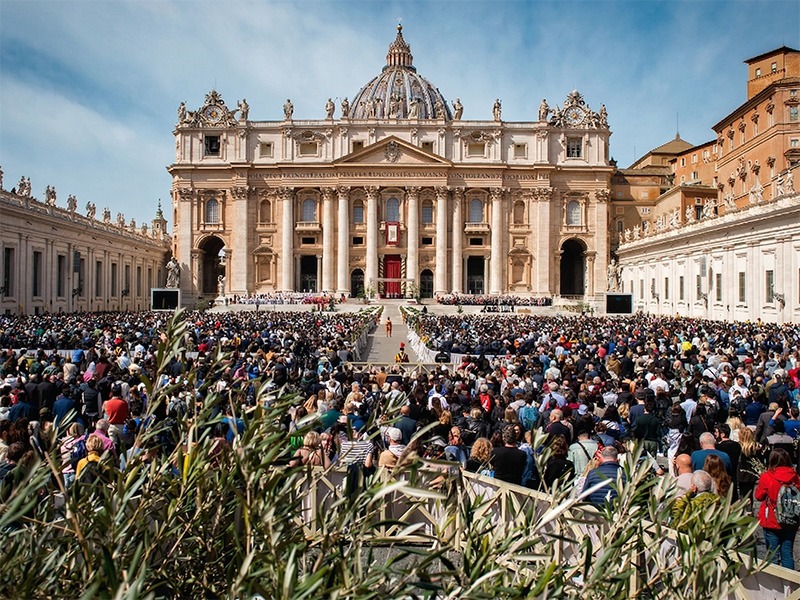
Palm Sunday: Meaning, Traditions, and a Blessed Sign of Peace
Palm Sunday marks the beginning of Holy Week and commemorates Jesus’ solemn entry into Jerusalem, welcomed by crowds who laid palm branches along His path. It is a deeply symbolic moment in the Catholic tradition, rich in meaning and rooted in centuries of history, inviting reflection on both joy and sacrifice.
Read more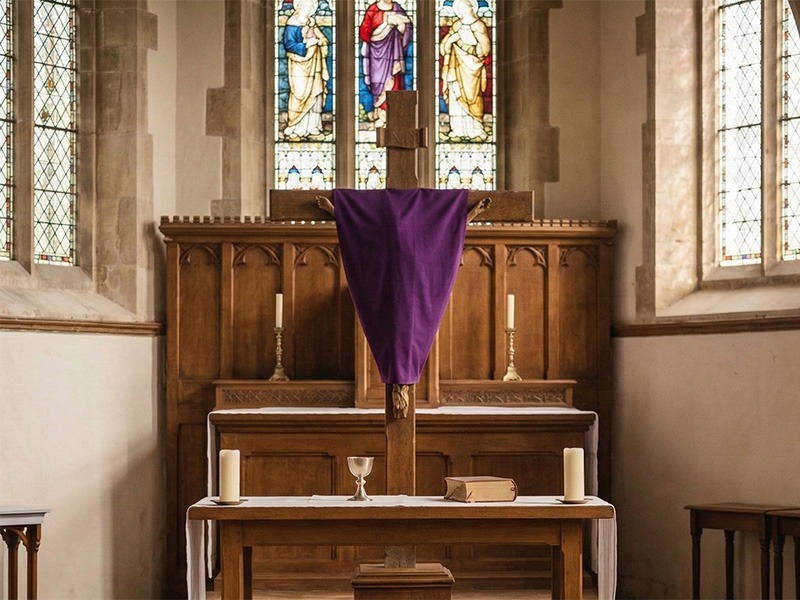
Lent: Meaning, History, and the Significance of the Purple Season
Each year, Christians around the world enter a sacred period of preparation known as Lent, a season dedicated to prayer, reflection, and spiritual renewal. Lasting forty days and leading to the celebration of Easter, the most important feast of the Christian calendar, Lent invites believers to slow down, practice humility, and focus on inner conversion through prayer, fasting, and acts of charity, preparing their hearts for the celebration of Christ’s Resurrection.
Read more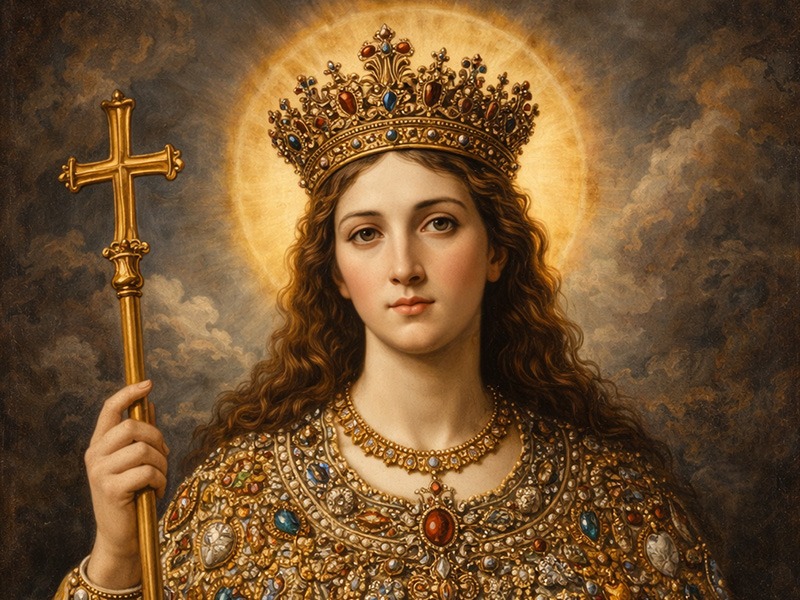
Saint Agatha of Sicily: Life, Martyrdom, and the Meaning of February 5
Saint Agatha of Sicily is one of the most venerated female martyrs of the early Church. Known for her unwavering faith, strength, and purity, she has inspired devotion for centuries, especially in her homeland of Sicily. Her story is closely tied to courage in suffering and trust in God, making her a powerful spiritual figure still honored today.
Read more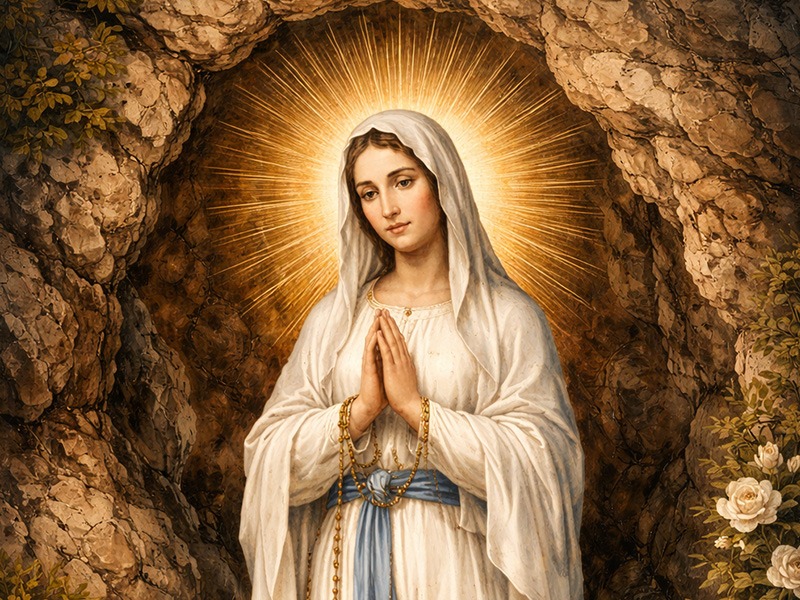
Our Lady of Lourdes: History, Apparitions, and Marian Devotion
Our Lady of Lourdes holds a unique place in Catholic devotion, deeply connected to prayer, healing, and humility. Known for her apparitions in southern France during the 19th century, Our Lady of Lourdes continues to inspire millions of pilgrims each year. Her feast day, celebrated on February 11, invites reflection on faith, suffering, and hope, making this Marian devotion especially meaningful for the faithful around the world.
Read more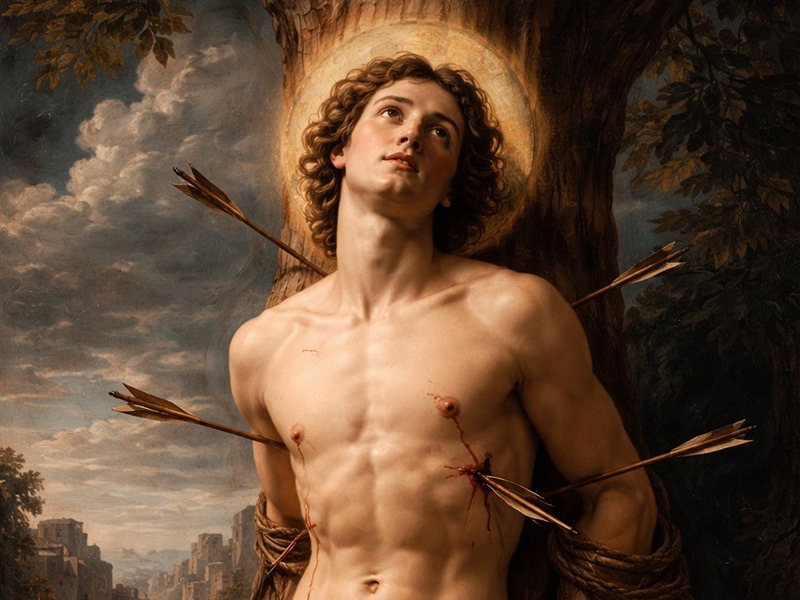
Saint Sebastian: Life, Martyrdom, and the Meaning of January 20
Among the most venerated martyrs of early Christianity, Saint Sebastian stands as a powerful symbol of courage, loyalty, and spiritual strength. His story, shaped by faith lived in secret and testimony given through sacrifice, has inspired devotion for centuries. Celebrated each year on January 20, Saint Sebastian remains deeply present in Christian tradition, art, and personal devotion.
Read more
Upcoming 2026 Ceremonies: A Time to Reflect and Prepare
As 2026 approaches, many Catholics naturally begin to reflect on the moments that will shape the year ahead. The Church’s liturgical calendar offers a steady and familiar rhythm, with seasons and solemnities that return each year with renewed significance. Looking forward is not about waiting for announcements, but about taking time to prepare thoughtfully, allowing faith, intention, and personal reflection to guide how these moments are lived.
Read more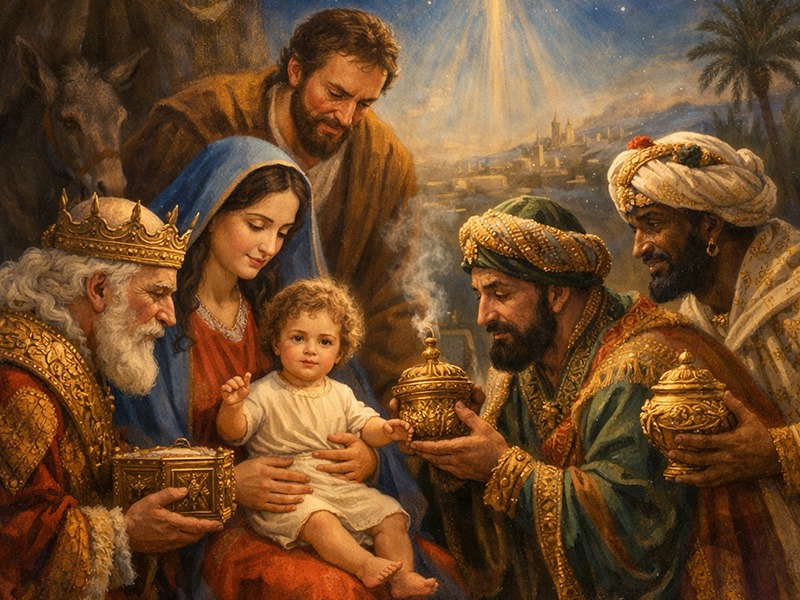
The Meaning of the Epiphany of the Lord
The Epiphany of the Lord, celebrated on January 6, is one of the most ancient and meaningful feasts of the Christian liturgical calendar. More than a simple continuation of Christmas, the Epiphany reveals the universal mission of Christ and the manifestation of God to all nations. Through rich symbolism and biblical imagery, this solemnity invites believers to contemplate the mystery of divine revelation and the light that guides humanity toward salvation.
Read more